Concrete Scanning Experts
What Is Concrete Scanning?
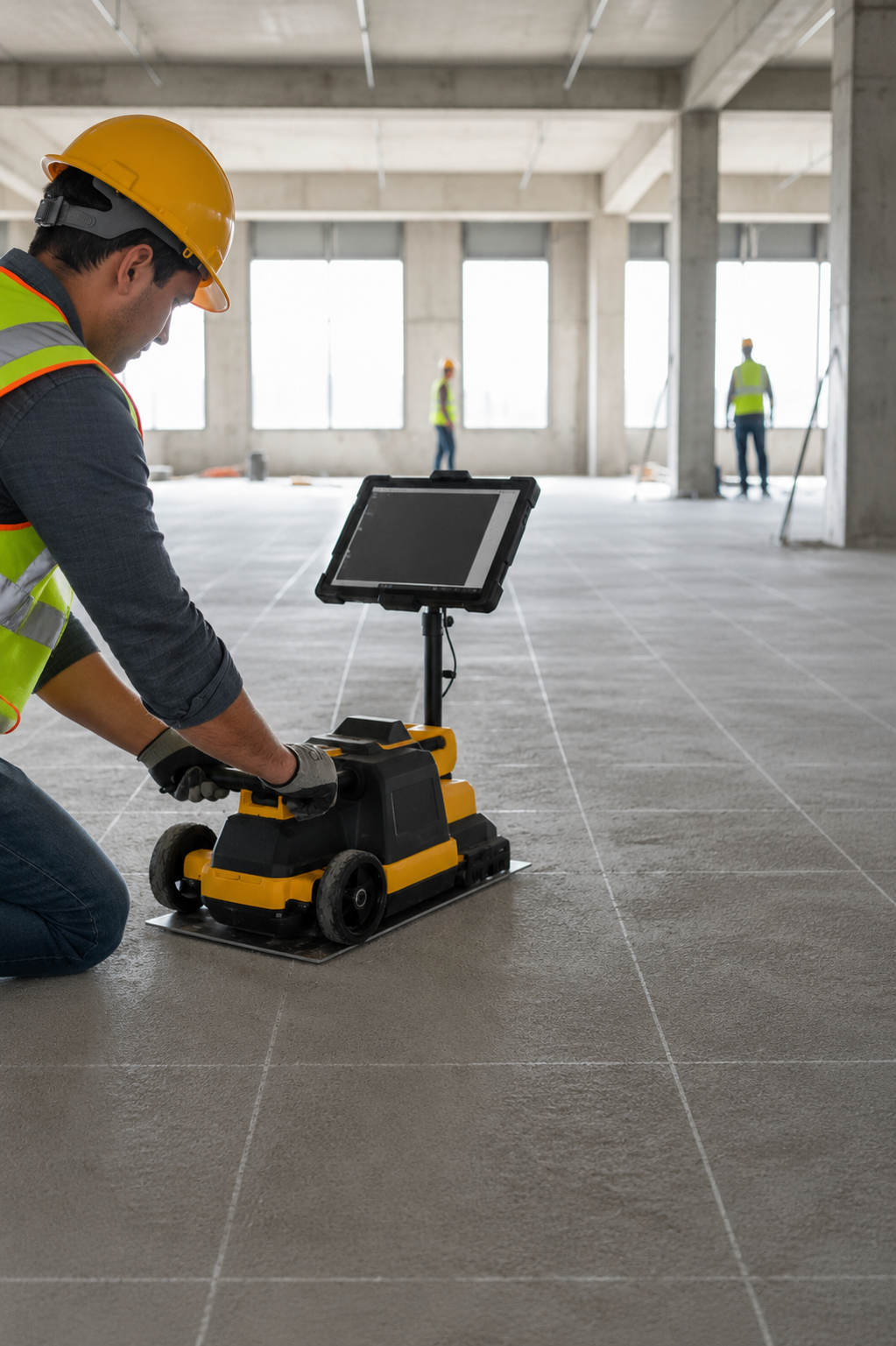
Concrete scanning is a non-destructive inspection method used to identify and map objects hidden beneath or within concrete structures. It can detect reinforcing steel (rebar), post-tension cables, electrical conduits, pipes, voids, and other subsurface features without requiring unnecessary drilling or demolition. This service is commonly used before concrete cutting, coring, drilling, anchoring, or structural modifications to understand what is present below the surface.
Using advanced technologies such as Ground Penetrating Radar (GPR), professional technicians scan concrete slabs, walls, floors, foundations, decks, and other structures to collect detailed subsurface information. The scanning process can help determine the location, depth, and pattern of embedded objects, allowing contractors, engineers, and property owners to plan work more accurately. Concrete scanning is useful for commercial buildings, residential properties, parking structures, bridges, roads, and other construction and infrastructure projects.
The primary goal of concrete scanning is to improve safety, reduce accidental damage, and support efficient project planning. Striking a post-tension cable, electrical conduit, or other embedded component can result in serious safety hazards, expensive repairs, and construction delays. By identifying potential obstructions before work begins, professional concrete scanning provides valuable information for safer drilling, cutting, coring, and excavation, helping teams complete projects with greater confidence and fewer unexpected problems.
When Is Concrete Scanning Necessary?
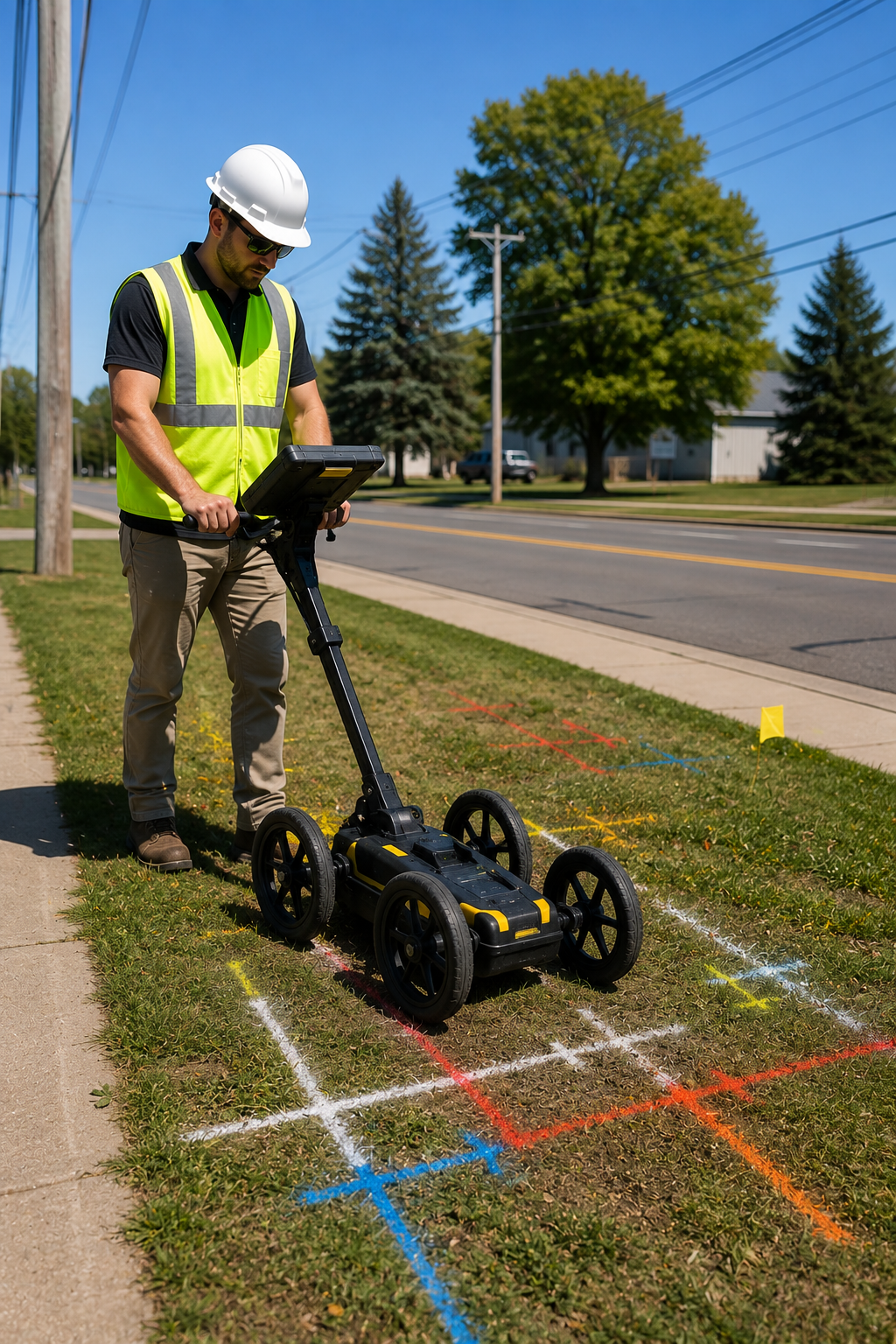
Concrete scanning is necessary before drilling, cutting, coring, or anchoring into concrete when there is a possibility of hidden reinforcement, utilities, or other embedded objects. Scanning helps identify rebar, post-tension cables, electrical conduits, pipes, and voids that may not be visible from the surface. This is especially important when working with existing slabs, walls, foundations, floors, and other structural concrete.
Concrete scanning is commonly required during construction, renovation, remodeling, demolition, and structural modification projects. Contractors may use scanning before installing anchors, creating openings, placing new equipment, modifying concrete walls, or performing core drilling. It is also valuable in commercial buildings, parking garages, bridges, foundations, hospitals, industrial facilities, and residential properties where unexpected embedded materials can create significant project risks.
The main reason for concrete scanning is to improve safety, prevent damage, and reduce costly project delays. Accidentally cutting a post-tension cable or electrical conduit can create serious hazards and expensive repairs. By scanning the work area beforehand, contractors and engineers can identify potential obstructions and choose safer drilling or cutting locations, helping ensure more accurate planning, efficient work, and safer concrete operations.
What Is Required For Concrete Scanning?
For concrete scanning, the first requirement is a clear understanding of the area that needs to be inspected. Clients should provide the project location, concrete surface, work area, and planned drilling, cutting, or coring locations whenever possible. Information about the building, previous construction work, existing utility drawings, structural plans, or known embedded materials can also help technicians perform a more accurate assessment.
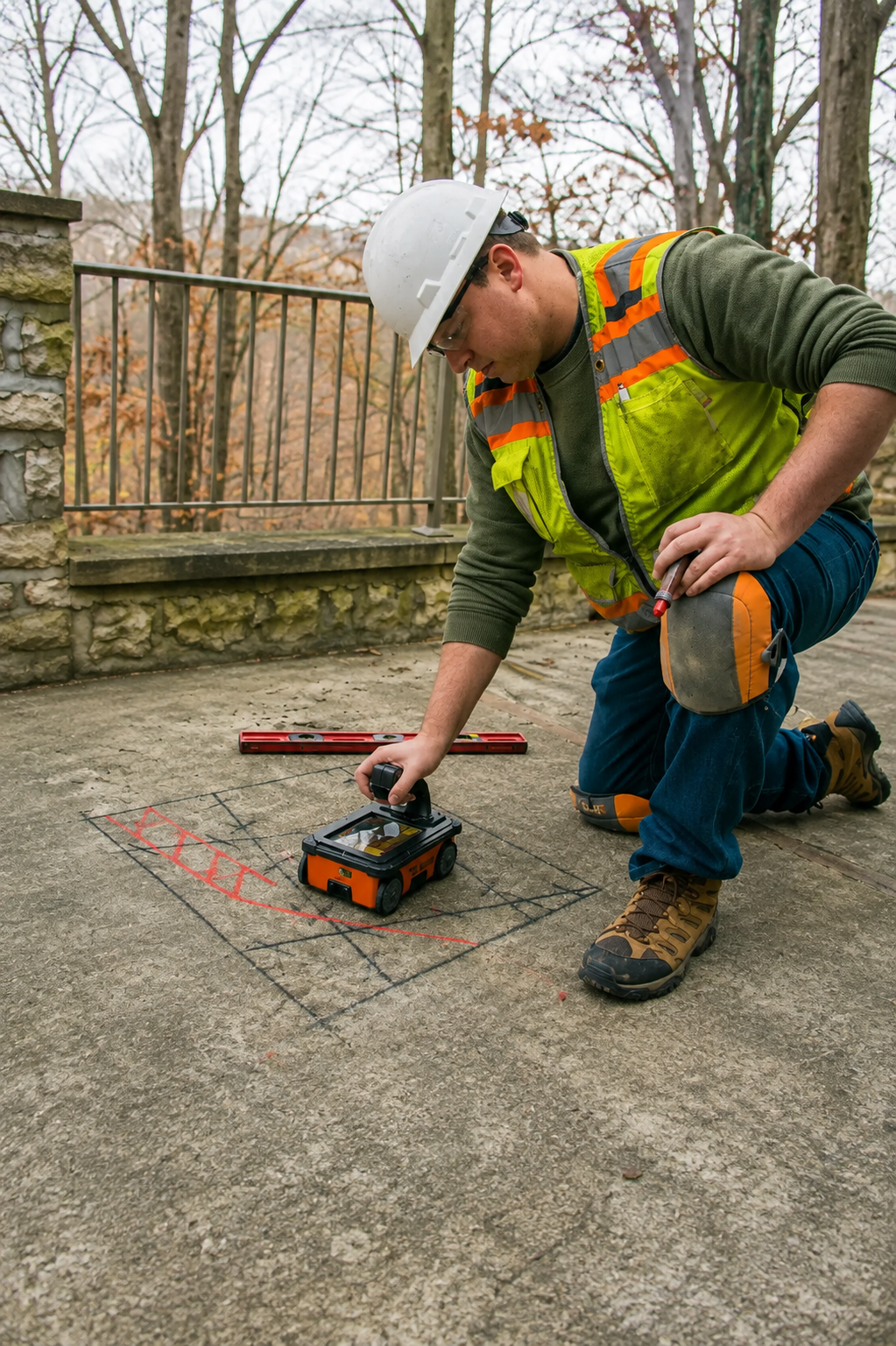
Professional concrete scanning requires specialized equipment and trained technicians. Depending on the project, technicians may use Ground Penetrating Radar (GPR) and other detection technologies to identify rebar, post-tension cables, conduits, pipes, voids, and other objects within the concrete. The concrete surface should generally be accessible and reasonably clear of equipment, debris, furniture, or other obstructions so the scanning equipment can be moved across the required area.
Before scanning begins, the technician will typically review the scope of work, scan boundaries, surface conditions, and areas where drilling or cutting is planned. After the scan, the detected features can be marked on the concrete or documented for project planning. Providing accurate project information and ensuring access to the work area helps improve scanning efficiency, reduce potential risks, and support safer concrete drilling, cutting, and coring operations.

Our Reviews
What Our Customers Have to Say About Us!
Very professional and accurate. The team located our underground utilities quickly and provided clear mapping that helped keep our project on track.

Excellent service from start to finish. They were thorough, responsive, and precise with the utility locating. Highly recommended for construction projects.
Great experience working with the team. Their utility mapping was detailed and reliable, giving us confidence before starting excavation work.
The Process
3 Step Process For Your Concrete Scanning Needs

Contact Us
Start by completing the 'Get a Free Quote' form on our website to share your Concrete Scanning needs with us.

Schedule Your Estimate
Next, we'll arrange a property visit at a time that works for you to provide an in-person estimate for your Concrete Scanning needs.

Get The Job Done
After you approve our estimate, we'll schedule a date to complete the job. Our team will work hard to exceed your expectations!
Request A Free Concrete Scanning Quote
BUSINESS
SERVICES
SERVICE AREAS
OPERATING HOURS
Sun: Closed
Mon: 7:00am - 7:00pm
Tue: 7:00am - 7:00pm
Wed: 7:00am - 7:00pm
Thu: 7:00am - 7:00pm
Fri: 7:00am - 7:00pm
Sat: 7:00am - 7:00pm